

Misfits
On being too much, and finding out what enough looks like

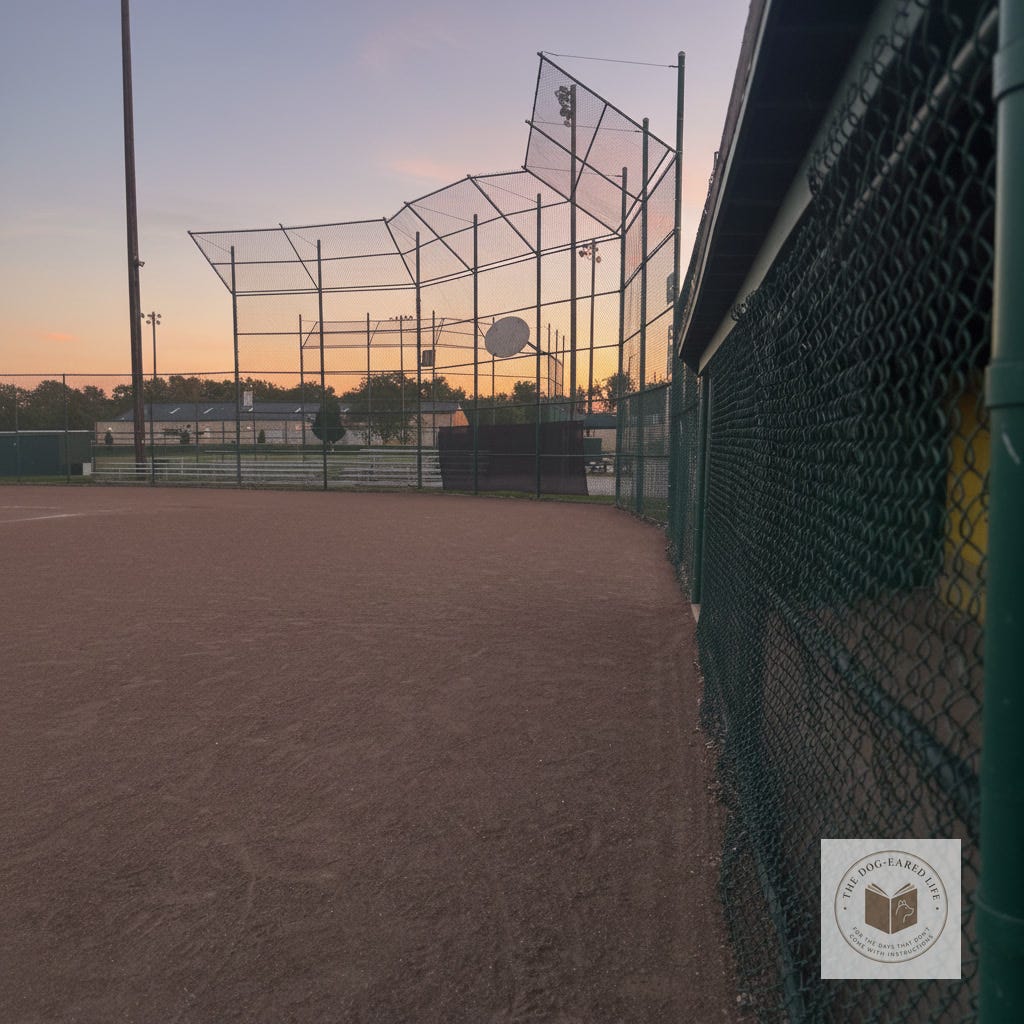
We are a lot.
Too loud, some people tell us. Too quiet in others. Our faith lands wrong. Our beliefs land wrong. We think the wrong things, love the wrong things, hold the wrong convictions in the wrong rooms. And somewhere along the way, it became expected that we would all fit the same box, agree on every minor thing, and think alike down to the details. We never got that memo. We have never fit the box.
We long for the community where we belong. We have not always found it.
What we have found, mostly, is tolerance. Something is offered. We consider it honestly and say it is not a fit for us. And that is the moment we become invisible. Strange. Dismissed. Too much, or not enough, depending on the room.
We know what it feels like to be managed instead of loved.
We know the difference. You always do.
My son texted a friend after a big win.
His team, the fourth seed, the one nobody was watching, had just beaten the first seed in a tournament. It was the kind of game you remember. Aggressive, determined, and earned in every inning. He was fifteen, and his team had just done something real, and he wanted to tell someone.
He sent the kind of text teenage boys send when something good happens. Short, loud, a little disbelieving. We won. Championship Wednesday. Let’s go.
The friend asked where the game was.
Same field we’ve been playing on all year, my son said.
The reply came back: Oh. I didn’t know. I thought they would use a different field for the championship. Like normal people usually do.
My son didn’t write back.
I sat with that for a long time after he showed me. Not the words, exactly. The shape of them. This boy has never come to a game. Not one. The friendship moves in one direction, from my son outward, and nothing comes back. And still my son reached for him in a good moment, the way you reach for people you love, the way you assume they want to be there with you.
He closed the app. He put the phone down. He didn’t explain, try again, or make it easier to understand.
He just carried the win himself.
I know that silence. I have lived in it. The moment you realize the person you called is not actually on the other end of the line, the way you thought they were. You don’t get angry, not right away. You just go quiet, and you learn something you were not quite ready to learn.
After that game, we stood in the parking lot too long. Almost everyone else had gone home. The field crew was closing up the concession stand. The lights were going down.
Another family lingered too. Their boy is on the team. We know them the way you know people you see every weekend in the same aluminum bleachers. Enough to wave. Not enough to call.
She invited us to dinner. Her treat, she said, and meant it.
We went.
They asked about our work. Our actual work, what we do, how we built it, what we know. They wanted to know who our boys are, not just what position they play. They complimented character and team spirit and the kind of integrity that shows up in how a kid handles a close call at second base.
They laughed with us. Not politely. Actually.
Nobody tried to fix us. Nobody offered something and then turned cold when we said it was not quite right for us. Nobody looked at us like a problem to be managed or a project to be improved.
Nobody was waiting for us to become easier.
We were there past closing. The restaurant was gentle about it. Nobody rushed us.
On the way home, one of my sons said: Mom. They like us.
He said it quietly. The way you say something you have been waiting a long time to feel.
I did not tell him it should have surprised him. We had spent so long in rooms where we were tolerated or invisible or someone's quiet project that we had stopped expecting anything different.
I have been thinking about that sentence all week.
What it reveals is this: when a teenager is surprised that someone likes his family, genuinely surprised, the way you are surprised by an unexpected kindness, that is information about the soil you have been growing in.
Wrong soil does not mean wrong plant.

We do not fit neatly anywhere. Our faith is ours. Our convictions are ours. We hold them without apology, and we have paid for that in rooms that did not know what to do with us.
We are tired of being invisible to the rooms that cannot categorize us.
We are tired of making ourselves smaller so that other people can feel more comfortable.
Being tolerated is not belonging. The rooms that barely make space for you are not your rooms. The people who would come to your championship if it were on a different field, a normal field, the kind normal people use, are not your people.
We do not know yet where that dinner leads. Maybe they become friends. Maybe we'll see them next season on the same bleachers.
But we know what it felt like to sit there. We had not felt that in a long time.
Our kids are still learning which people are worth the reach. We are watching them figure out the difference between someone who shows up and someone who just occupies space in their lives. That is slow work. It costs something.
But that Tuesday in June, someone showed all of us what the right room feels like.
We are not too much for everyone. The right room exists.
We just refuse to stop looking.
We lost on Wednesday. And before the final out, one of my boys took a baseball to the chest at the plate. The kind of hit that stops everything. The kind that makes you forget the score entirely.
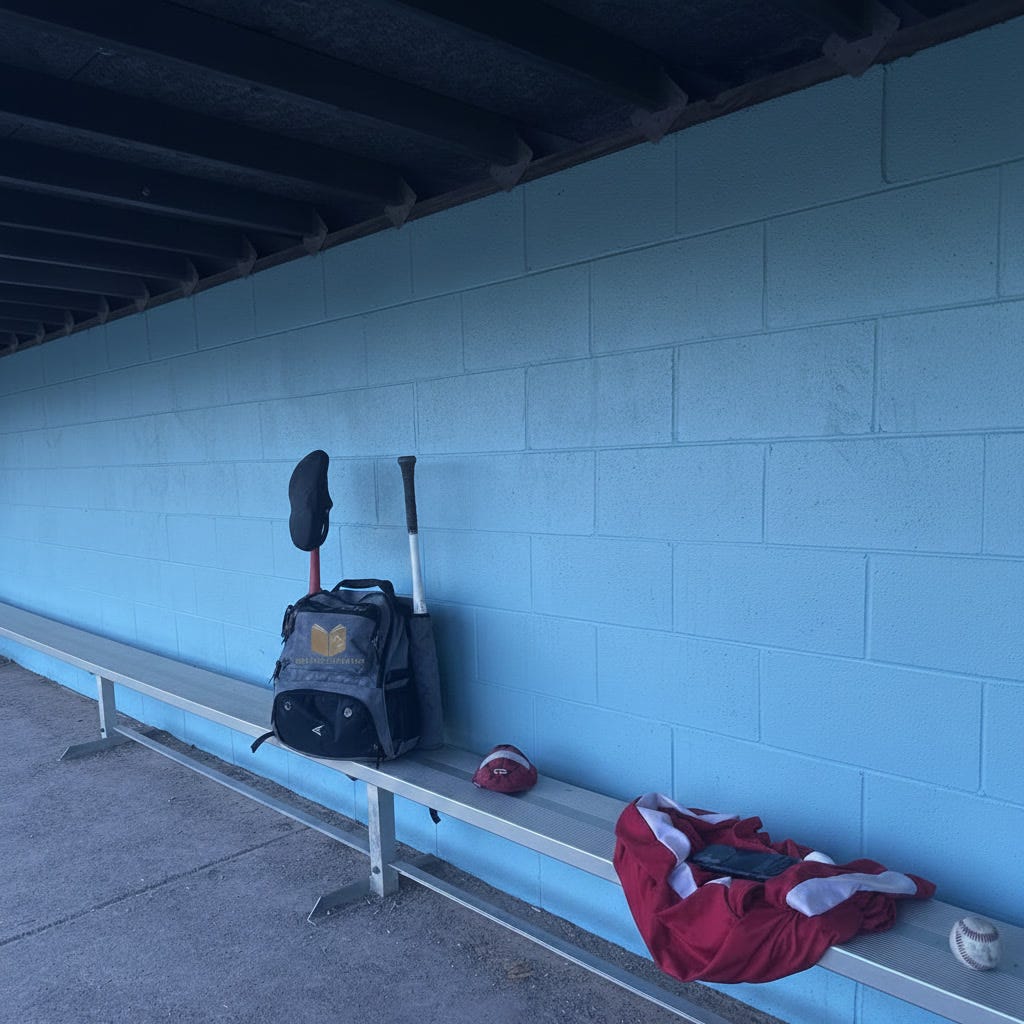
He is fine. A chest contusion, a little sore, nothing that time will not heal. But I stood there in that moment and felt everything narrow down to just him. Just gratitude. Just the particular relief of watching your kid get back up.
That is the thing about this family. We show up. We play hard. We take the hit. And we are still here.
If you are reading this and you know that feeling, the one where someone is genuinely glad to see you, and you do not quite know what to do with it, I think you might be in the wrong soil, too.
We are not giving up.
We are just pretending either.