

The Dogs Do Not Stop
On Memorial Day, the household, and the daily rhythm that does not break

The phone is not buzzing. It’s raining.
It is Sunday morning of Memorial Day weekend, and the text thread that usually plans coffee is quiet. We’re missing church today. There are no group messages about what time, what to bring, or whose house. There are no neighbors with extra burgers asking us to swing by. No invitations. No obligations. A family of four, three dogs, and a weekend with very little on it.
The boys ask what we are doing today. My husband is already at the coffee.
I notice what is not happening before I notice what is.
Co-op met this past Friday for the last time of the school year. It will not meet again until the school year resumes in August. The small group is on summer pause. Youth group paused last week. The Bible study that usually anchors my Wednesdays has already wrapped for the year. The book club skipped its June meeting because most of the women in it are traveling. Even the boys’ baseball team paused this week. Tournaments begin next weekend.
Even the church bulletin reads thinner.
Whether you have children or not, the institutional community in American life revolves around the school year. It opens when school opens. It closes when school closes. It will be back when school is back. August. September. October.
Then it will step back again at Thanksgiving and stay back through the New Year.
There is a reason for the stepping back. The institutions are trying to give families time. That is the design. Summer is built for the cookout at grandma’s. Thanksgiving is built for the long table with extended family. Christmas is built for cousins and aunts and a grandfather telling the same story he tells every year. The institutional pause is a gift to families who already have a wider net to fall into.
For families who are the net, the pause feels different.
But there is light inside the pause if you know how to receive it. The empty container is also room. The hours that usually belong to someone else’s calendar belong, for a stretch, to the four of us. The conversations I have been postponing have finally got hours to happen in. The plans we have been carrying have finally got afternoons we can hand them to. The household that has been waiting all year to be together is, for once, allowed to be together.
The dogs do not stop.
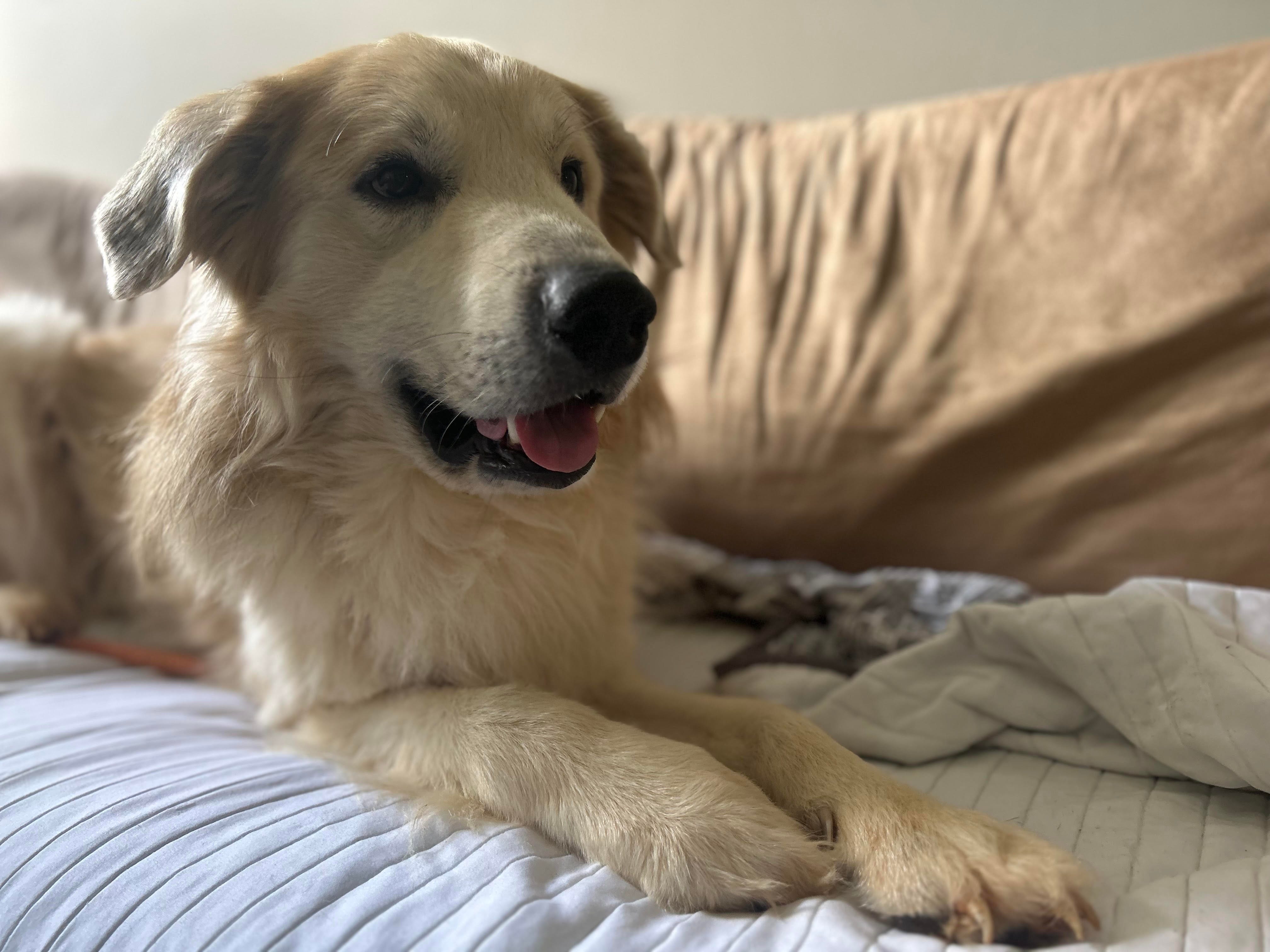
Zoey is at the back door wanting outside. Leonard is in his sunbeam, and will be in it again tomorrow. Miley wants her breakfast, and she wants it now.
They do not know it is a holiday weekend. They do not know the co-op is on summer break, the small group is on hiatus, and youth group has paused. They do not know about the text thread that did not include us this weekend. They know what they have always known. They want walked. They want food. They want water. They want love. They want playtime. They want me in the room.
This is the model.
The dogs are not on a holiday schedule. They are not on a summer schedule. They are on a life schedule. Daily, not weekly. Steady, not scheduled. They show up to be fed, walked, and loved every single day, no matter what the calendar says or does not say. The household that learns the dogs’ rhythm is the household that does not go dark when everything else does.
When the institutional community steps back to give families time, the families who are the community can use the time the same way. We do not need an invitation to be together. We did not need a small group to know how to gather. We are already gathered. We have been gathered all along.
Yesterday, we watched the Reds.
It was the simplest gathering. Four people, three dogs, one couch, one game. The boys argued about the lineup. My husband muted the commercials. Zoey was in my lap. Leonard was in his sunbeam, which moved across the floor as the afternoon went on. Miley was asleep on the rug. A double in the gap. Another inning. A late rally that did not quite get there. The four of us gathered around a thing none of us could have predicted at the start of the day.
Nobody invited us. We invited ourselves. It was enough.
Today, we make the day.
We visit grandparents. We love them. That is what today is for.
We serve others in need. Quietly. With dignity. A meal served. A conversation. A prayer.
Community was never the small group on Tuesday night. Community is the people you choose to be in a room with when no schedule is forcing you there. Community is what is built daily, not what is scheduled weekly.
Tomorrow is the day for the day.
The flag down the road has been at half-mast for a while now, because we are a country at war and the country is already in mourning. Memorial Day arrives tomorrow at a place the country was already standing. The half-mast the day asks for is the half-mast that has been there since before the holiday.
The country was not waiting for the calendar to grieve. The country is grieving already. The calendar is catching up to where we have been.
It is not only the families who have lost someone. It is the families who are still waiting. The phone call that could come in the middle of the night. The empty chair that is empty by deployment instead of death. The grief is not abstract this year.
There is a minute of silence asked for at 3 PM Eastern. Most of us forget to keep it.
I want to say what tomorrow is for, because I would like the saying done before it gets here.
Tomorrow is for the boys who never came home. The men in their twenties. The women in uniform. The names on small stones in small towns nobody can find on a map. The chair pulled up to a table that has been one chair short for forty years. The mother who buried a child. The wife who got the letter. The child who grew up with a folded flag on a high shelf.
My grandfather came home from the second war. I got to meet him because of it. Memorial Day is not for him exactly. Memorial Day is for the ones who did not come home. But he carried their names for the rest of his life. Now I carry his. He taught me, without knowing he was teaching me, that the dead are remembered by the living who keep showing up.
That is the substance under the cookout. The cookout is the cover story.
The soldier did not die for the cookout.
I want to write this slowly so I do not blur past it.
The soldier did not die for the parade or the mattress sale or the long weekend in the cabin somebody booked in February. The soldier died so a family of four could exist on a Monday afternoon. So my husband could be at the table, steady. So the boys could leave baseball gloves on the kitchen floor and ask whether we can play catch before lunch. So the dogs could be themselves. So I could leave the laptop closed and be in the room.
Tomorrow’s quiet Monday afternoon is the gift that was bought for us. Using it is the only thanks the day actually asks for.
At 3 PM tomorrow, our family will keep the minute together.
All four of us. The boys will set aside what they are doing. My husband will come in from the grill. I will come in from the porch. The dogs will be wherever they are, because we cannot ask the dogs to keep a minute, and that is part of the point. The household will be still for sixty seconds. The country will be still around us, or as still as a country at war ever gets.
Then we will go on. The boys will go back to whatever they were doing. The dogs will need walked. My husband will return to the grill. I will go back to the porch with the coffee that has gone cold and watch the day finish in its own time.
The institutional community is on summer break. The dogs are not. The household is not. Yesterday we watched. Today we go. Tomorrow we keep the minute. And we are honoring the day the way the day asks to be honored.
By existing.
By making the small life we were given.
By not stopping.